
CALL US TODAY
770-591-5271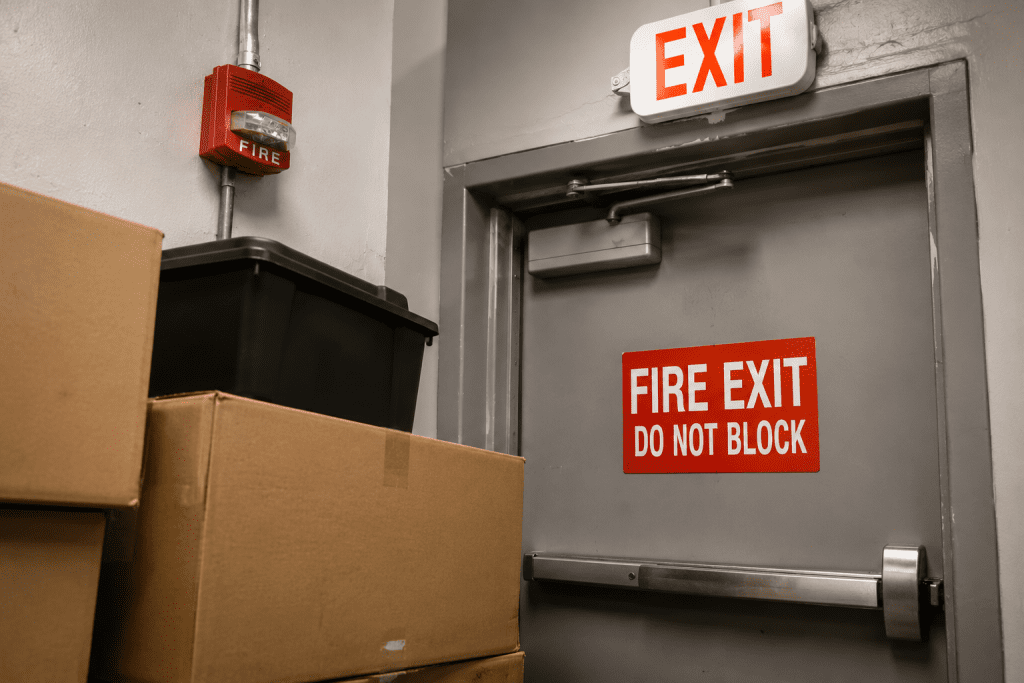
What happens if a business fails a fire inspection in Atlanta? Businesses that fail a fire inspection in Atlanta may receive violation notices, fines, mandatory repairs, reinspection requirements, occupancy restrictions, or temporary shutdown orders, depending on the severity of the fire code violations.
Throughout Atlanta neighborhoods such as Buckhead, Midtown, Downtown Atlanta, Sandy Springs, and Decatur, commercial properties are expected to comply with strict fire safety standards designed to protect employees, customers, and surrounding buildings. Business owners who understand the fire inspection process and common violations can often correct problems quickly and avoid larger disruptions to operations.
Fire inspections play an important role in reducing fire risks across Metro Atlanta’s growing commercial sector. Whether a business operates a restaurant near Piedmont Park, a warehouse along I-285, or an office building in Alpharetta, maintaining fire code compliance is critical for both safety and legal operation.
Commercial fire inspections help identify hazards that could increase the risk of fires, smoke damage, injuries, or evacuation problems. Fire marshals and local inspectors throughout Atlanta and surrounding communities regularly inspect businesses to verify compliance with local and state fire codes.
These inspections help protect:
Atlanta’s dense commercial districts and older buildings can create unique fire safety concerns. Restaurants, retail spaces, hotels, healthcare facilities, and industrial buildings often have higher occupancy levels and more complex fire protection requirements than smaller businesses.
The outcome of a failed inspection depends on the seriousness of the violations discovered during the inspection process.
Businesses with smaller fire code issues are often given a written correction notice and a deadline to resolve the problems. In many cases, businesses can continue operating while corrections are completed.
Common minor violations may include:
These issues are usually considered manageable if corrected promptly.
Serious fire hazards can lead to much larger consequences for Atlanta businesses. Inspectors may require immediate corrective action if conditions create safety risks for occupants or emergency responders.
Major violations may include:
Depending on the danger level, businesses may face:
For businesses located in busy commercial areas like Downtown Atlanta or Buckhead, even short closures can create major financial setbacks.
Many businesses fail inspections because of maintenance problems that develop gradually over time. Atlanta’s rapid growth, older commercial infrastructure, and high-traffic properties can all contribute to fire code violations.
Emergency exits must remain fully accessible at all times. Businesses frequently fail inspections because inventory, furniture, equipment, or storage items block exit pathways.
Inspectors may also cite businesses for:
Crowded retail stores and event venues throughout Atlanta often experience these issues during busy seasons.
Commercial fire extinguishers must meet several requirements to remain compliant. Violations often occur when extinguishers are:
Restaurants throughout Midtown and Downtown Atlanta commonly face extinguisher violations due to the increased fire risks associated with commercial kitchens.
Electrical issues remain one of the leading causes of commercial fires. Atlanta businesses operating in older buildings may experience additional electrical safety concerns due to aging wiring systems.
Inspectors commonly identify:
Businesses that rely heavily on equipment, HVAC systems, or commercial appliances may face higher electrical inspection risks.
Commercial fire protection systems must remain fully functional year-round. Businesses can fail inspections if systems show maintenance problems or operational faults.
Common violations include:
Large office buildings, hotels, apartment complexes, and warehouses throughout Metro Atlanta typically require more advanced suppression systems.
Storage violations are especially common in warehouses, restaurants, retail stores, and industrial facilities.
Businesses may fail inspections for:
Poor housekeeping can quickly create multiple fire hazards within a commercial property.
Failing a fire inspection often creates unexpected costs for businesses throughout Atlanta. Business owners may need to pay for:
Some repairs may become expensive if older commercial buildings require major code upgrades.
Insurance companies may also review businesses with repeated fire safety violations more closely. Some insurers may increase premiums or require repairs before continuing coverage.
If a fire occurs after known hazards were ignored, businesses could also face larger liability risks involving property damage, injuries, or legal claims.
Correction timelines vary depending on how dangerous the violations are. Small issues often come with deadlines ranging from several days to several weeks.
Serious hazards may require same-day corrections or temporary closure until repairs are completed.
Inspectors typically provide written reports explaining:
Business owners should keep documentation for all completed repairs and maintenance work.
Businesses that fail a fire inspection in Atlanta will usually need a follow-up inspection to confirm that all violations have been corrected. Before scheduling a reinspection, business owners should thoroughly review their property and address any issues identified during the original inspection.
This may include testing fire alarm systems, verifying that emergency lighting functions properly, clearing all exits and walkways, confirming fire extinguisher inspection dates, organizing storage areas, correcting electrical hazards, reviewing occupancy limits, and training employees on emergency procedures.
Many Atlanta businesses work with licensed fire protection contractors, electricians, or safety professionals to ensure that all repairs and corrections meet local fire code requirements before the reinspection.
Learn more about how to prepare for an inspection here: How To Prepare for a Fire Marshal Inspection
Fire safety should remain an ongoing responsibility rather than something businesses only focus on before an inspection. Routine maintenance and regular safety checks can significantly reduce the risk of future violations and help businesses maintain compliance throughout the year.
Atlanta business owners should regularly monitor fire extinguishers, alarm systems, emergency lighting, exit pathways, electrical systems, sprinkler systems, storage practices, and employee safety procedures to identify potential hazards early.
Proactive fire safety maintenance often helps businesses avoid expensive emergency repairs, operational disruptions, and repeat inspection failures.
Failing a fire inspection in Atlanta can lead to fines, costly repairs, occupancy restrictions, and temporary business closures, depending on the seriousness of the violations. Many businesses fail inspections due to preventable issues such as blocked exits, electrical hazards, extinguisher violations, or neglected fire protection systems. Staying proactive with fire safety maintenance, employee training, and regular inspections can help businesses throughout Metro Atlanta remain compliant and avoid larger safety risks.
Businesses facing fire code violations should work with qualified fire protection professionals and licensed contractors at Cliff’s Fire to address hazards quickly and restore compliance as efficiently as possible.


 ADDRESS


 Lume Sales & Marketing