
CALL US TODAY
770-591-5271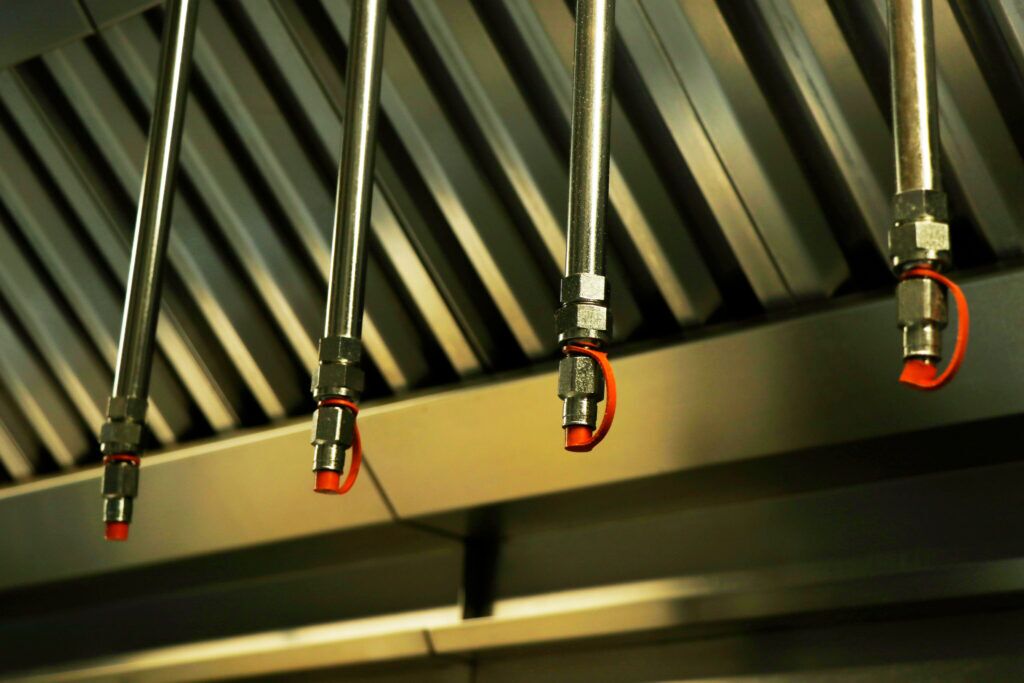
Commercial kitchens face unique fire hazards that require specialized protection systems and regular professional oversight. Understanding what happens during a kitchen fire suppression system inspection helps restaurant owners, facility managers, and kitchen operators prepare properly while ensuring their fire protection systems remain compliant and effective.
Regular inspections are not just regulatory requirements; they're essential for protecting your business, employees, and customers from the devastating effects of kitchen fires. Knowing what to expect during these critical safety evaluations can help you maximize their value and maintain optimal fire protection.
Before the physical inspection begins, professional technicians will review your facility's documentation and maintenance records. A thorough kitchen fire suppression system inspection starts with examining previous inspection reports, maintenance logs, and any service records since the last evaluation.
Documentation Review Process:
The inspector will also review your kitchen's operational procedures, including staff training records for manual system activation and emergency response protocols. This documentation review ensures the inspector understands your system's history and can identify patterns or recurring issues that need attention.
The physical fire system assessment phase of a kitchen suppression system inspection involves a comprehensive examination of all system components. Inspectors systematically evaluate each element to ensure proper installation, condition, and functionality.
Key Components Examined:
Physical Condition Assessment:
Inspectors pay particular attention to nozzle positioning and coverage, ensuring that any changes to cooking equipment haven't compromised the system's protective coverage. Even minor equipment relocations can create dangerous gaps in fire suppression coverage.
A comprehensive kitchen fire suppression system inspection includes functional testing to verify that all components operate correctly. While full system discharge isn't typically performed during routine inspections, inspectors conduct various tests to ensure system readiness.
Electrical and Control System Testing:
Mechanical System Verification:
The inspector will also verify that detection devices are properly calibrated and positioned to detect fires quickly while minimizing false alarms from normal cooking operations.
During a kitchen fire suppression system inspection, technicians verify compliance with current fire codes and regulations. These standards evolve over time, and older systems may require updates to meet current requirements.
Compliance Areas Evaluated:
Inspectors also assess whether the system adequately protects all cooking equipment, including any additions or modifications since the last inspection. New fryers, grills, or other heat-producing equipment may require system modifications to maintain proper coverage.
Professional inspectors identify maintenance needs and deficiencies that could compromise system performance. A thorough kitchen fire suppression system inspection reveals issues before they become critical failures.
Common Issues Identified:
The inspector will prioritize identified issues, distinguishing between immediate safety concerns that require prompt attention and maintenance items that can be scheduled during normal business operations.
Following the kitchen fire suppression system inspection, you'll receive detailed documentation outlining the inspector's findings, recommendations, and any required corrective actions. This report serves as your roadmap for maintaining system compliance and effectiveness.
Inspection Report Contents:
Professional kitchen fire system services ensure your inspection is thorough and compliant while providing expert guidance on maintaining optimal fire protection. Regular fire protection inspections keep your system operating effectively while protecting your business investment.
Understanding what happens during a kitchen fire suppression system inspection helps you prepare effectively while ensuring your fire protection system remains reliable and compliant. Professional inspection services provide the expertise needed to identify potential issues before they compromise safety, ensuring your kitchen fire suppression system continues protecting your operation effectively.
Don't wait for a fire emergency to discover that your kitchen fire suppression system isn't functioning properly. Protect your restaurant, staff, and customers with professional inspection services from experienced fire protection specialists at Cliffs Fire today!


 ADDRESS


 Lume Sales & Marketing