
CALL US TODAY
770-591-5271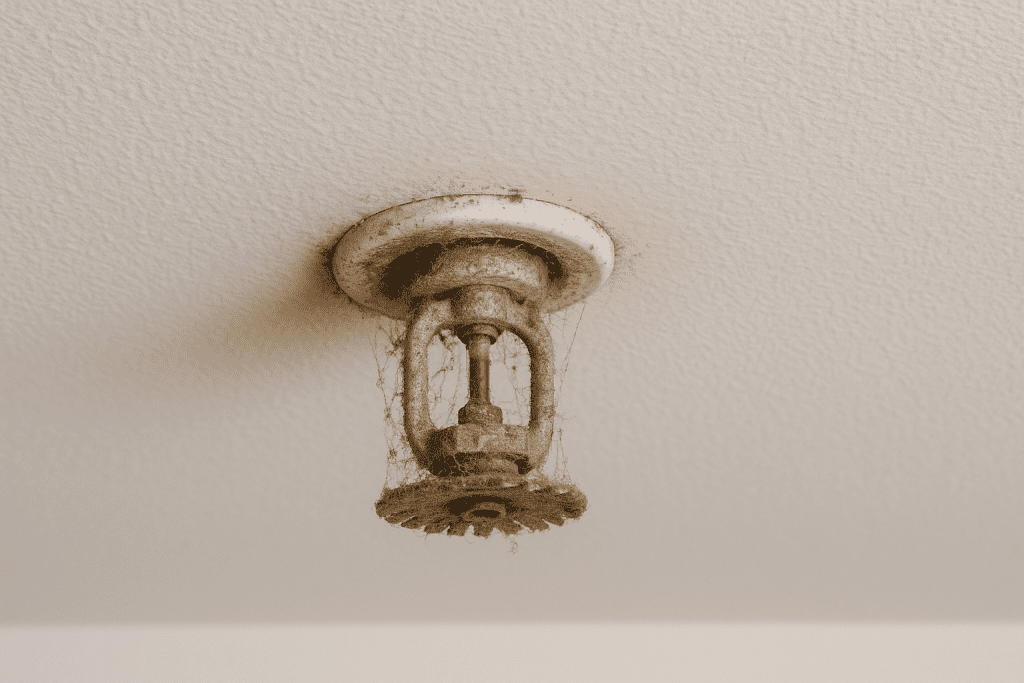
Fire sprinkler heads are critical safety components that can become covered in dust, debris, and grime over time. While keeping them clean is important for both aesthetics and function, improper cleaning techniques can damage these sensitive devices and compromise your entire fire protection system. Understanding how to clean fire sprinkler heads properly ensures they remain operational when you need them most.
Clean sprinkler heads on your fire sprinkler system installation aren't just about appearance. Dust and debris accumulation can affect how quickly heat activates the sprinkler head during a fire. Additionally, paint overspray or other substances can insulate the thermal element, delaying activation or preventing it altogether. Regular, gentle cleaning helps maintain the integrity of your fire protection system while keeping your facility looking professional.

Understanding the full fire sprinkler design is important when learning how to clean fire sprinkler heads. Following a systematic approach ensures thorough yet safe cleaning:
Before you start learning how to clean fire sprinkler heads, it's essential to understand what you're working with. Fire sprinkler heads contain delicate glass bulbs or fusible links designed to break or melt at specific temperatures. These components are calibrated precisely, and even minor damage can render them ineffective or cause accidental discharge.
Never attempt to clean sprinkler heads immediately after installation work, painting, or renovation without consulting a fire protection professional. If heads have been exposed to paint, drywall dust, or other construction materials, they may need replacement rather than cleaning, and the right replacement depends on the specific sprinkler head type installed.
The safest approach to cleaning fire sprinkler heads involves minimal contact and gentle techniques:
Dry Dusting: Use a soft, dry microfiber cloth to gently wipe away surface dust. Work carefully around the head without applying pressure to the glass bulb or fusible link. This method works well for routine maintenance and light dust accumulation.
Vacuum Method: A vacuum with a soft brush attachment set to low suction can effectively remove dust without direct contact. Hold the vacuum near the sprinkler head rather than pressing against it. This technique is particularly useful for textured or decorative sprinkler heads where cloth wiping might miss crevices.
Slightly Damp Cloth (When Necessary): For stubborn grime, a barely damp microfiber cloth can be used with extreme caution. The cloth should be almost dry to the touch. Wipe gently and avoid getting moisture near the thermal element. Never saturate the area or allow water to drip onto the mechanism.
Certain cleaning practices can cause immediate damage or create long-term problems:
Some situations require professional fire protection expertise rather than DIY cleaning:
While routine dusting can be handled by facility staff, maintaining a comprehensive fire sprinkler system requires professional expertise. Cliffs Fire provides complete fire sprinkler inspection, maintenance, and repair services throughout the Atlanta and Athens, Georgia markets.
Our BBB A+ rated technicians ensure your system remains compliant and operational, giving you peace of mind that your property and people are protected. Contact us today to schedule your fire protection system inspection.


 ADDRESS


 Lume Sales & Marketing