
CALL US TODAY
770-591-5271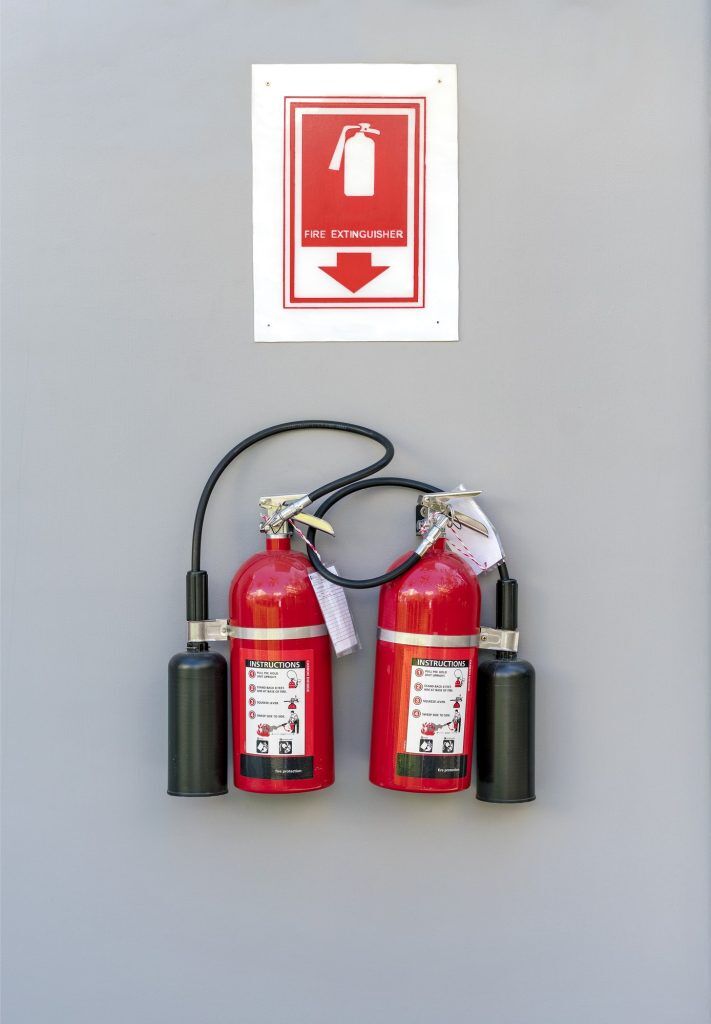
Identifying how many fire extinguishers an establishment needs saves costs and ensures a safer space. Assessing what types of fires the space is susceptible to and the required extinguisher classes are crucial considerations.
A thorough fire risk assessment is essential for fire safety, identifying the specific fire extinguisher needs of a building. This process assesses materials, layout, and occupancy levels to determine the required number and types of extinguishers, which vary widely based on identified risks.
One critical factor for determining the required number of fire extinguishers in a building is to understand the various fire hazards and select the appropriate extinguishers based on the types of potential fires.
Identifying fire hazard levels involves assessing potential ignition sources and the kinds of materials at risk.
The right types of fire extinguishers are specifically designed for the type of fire present:
Having the appropriate type of extinguisher accessible is crucial for effectively dealing with the specific class of fire that might arise in a particular area.
Ensuring proper fire safety measures are in place is crucial for any building. The quantity and location of fire extinguishers can be critical in minimizing the damage caused by a fire.
To learn more about fire extinguisher placement, check out our blog, “Fire Extinguisher Placement Requirements: An Atlanta Guide.”
The Occupational Safety and Health Administration (OSHA) and local building codes mandate the primary guidelines for the placement and number of extinguishers. OSHA standards require all business premises to have the appropriate type and number of fire extinguishers.
Fire protection services ensure strict adherence to policies involving local fire codes, especially for commercial buildings, parking garages, and fabric stores, which are more prone to catching fire.
The size of the building, floor area, and type of business are the main factors that determine how many fire extinguishers are required. The placement of portable fire extinguishers is influenced by the potential types of fires, such as placing Class B extinguishers in areas with flammable liquids or positioning Class C fire extinguishers near electrical equipment.
For business owners, it is a good idea to engage with a licensed fire protection company to assess their needs specifically since they are knowledgeable about the different types of fire extinguishers, fire alarms, smoke alarms, and (where applicable) fire sprinkler systems.
Below we explore the type of building and the typical fire extinguisher requirements to be met:
Retail Stores:
Office Buildings:
Commercial Kitchen
Dry Cleaners
Note: Business premises with special hazards like fuel tanks might need more frequent placement of extinguishers.
A fire safety plan should include the right number and placement of extinguishers to protect a building's occupants and assets in the earliest stages of a house or business fire. Business and building owners should follow the following information and call today a fire department or fire protection services in case of an emergency or for informational purposes to delineate the best way to lay out an effective strategy in the event of a fire.
In many cases, you need at least one fire extinguisher for each floor in a house. In places where fires are more likely, such as the kitchen or the garage, it's also a good idea to have an extra fire extinguisher.
Commercial building requirements state you need one fire extinguisher for every 3,000 square feet. However, local fire codes might have their own rules, making sure extinguishers are easy to reach in places that could catch fire easily.
Restaurants require a specific and stricter set of rules to be observed, especially in designated cooking areas. Not less than 30 ft per unit of extinguisher is needed. Ideal for kitchen settings are Class K extinguishers.
According to OSHA, building owners must maintain an adequate number of fire extinguishers and conduct regular checks on them.
Since most warehouses face higher fire risks, regulations mandate one unit per 75 feet. Additionally, extinguishers must be placed along exits or emergency routes and in unobstructed areas.


 ADDRESS


 Lume Sales & Marketing