CALL US TODAY
770-591-5271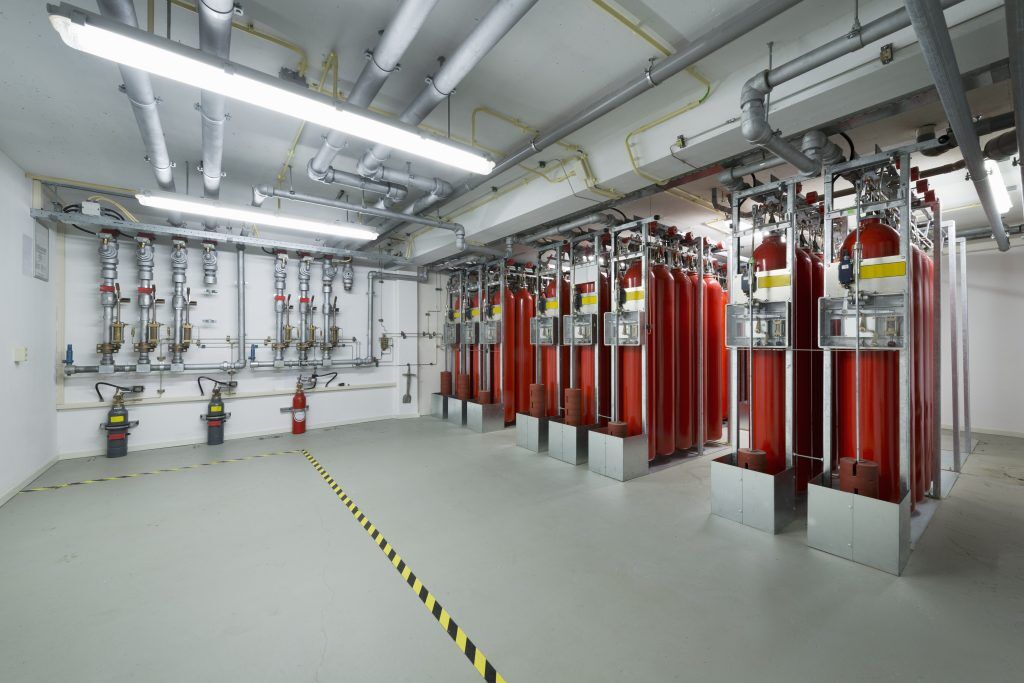
Alarm Systems – Devices that detect and alert occupants to fire or smoke in a building.
Authority Having Jurisdiction (AHJ) – The organization, office, or individual responsible for enforcing fire safety codes and regulations.
Backflow Preventer – A device that prevents contaminated water from flowing back into the clean water supply, required in sprinkler systems.
Building Fire Code – A set of regulations governing fire safety in construction and occupancy of buildings.
Clean Agent Suppression – A fire suppression system using environmentally safe agents that leave no residue.
Commercial Fire Protection – Fire safety services and systems designed for business properties.
Commercial Fire Safety Plan – A document outlining procedures, equipment, and responsibilities for fire emergencies in a business setting.
Deluge System – A sprinkler system where all heads are open and water is released simultaneously, typically in high-hazard areas.
Dry Pipe Sprinkler System – A system filled with pressurized air that releases water only when sprinkler heads activate.
Emergency Lighting – Lighting installed to provide illumination during power outages or evacuations.
Emergency Fire Evacuation Plan – A written procedure for safely evacuating a building during a fire.
Extinguisher Service – Maintenance, inspection, and testing services for fire extinguishers.
Fire Sprinkler System – An active fire protection method that discharges water when heat is detected.
Fire Extinguisher Inspection – A routine check to ensure extinguishers are charged and ready for use.
Fire Alarm Inspection – The process of evaluating fire alarm systems to ensure proper operation.
Fire Inspection – A formal examination of fire safety equipment, systems, and compliance with codes.
Fire Load – The total amount of combustible materials in a space, affecting fire severity and system design.
Fire Marshal – An official responsible for fire code enforcement, inspections, and investigations.
Fire Resistance Rating – The time a building material or assembly can withstand fire exposure.
Fire Suppression – Systems and actions designed to extinguish or control fires, such as sprinklers or chemical agents.
Fire Protection Engineering – The science of designing systems to protect people and property from fire.
Kitchen Fire Suppression System – A system installed in commercial kitchens to detect and suppress grease fires.
Maintenance – Routine upkeep of fire protection systems to ensure functionality and compliance.
Manual Pull Station – A device that allows building occupants to manually trigger a fire alarm.
Paint Booth Suppression – Specialized fire suppression systems designed for flammable spray environments.
Pre-Action Sprinkler System – A hybrid system that requires both a detection signal and sprinkler activation to release water.
Protection System Installation – The process of designing and installing fire safety equipment in a facility.
Restaurant Fire Protection – Systems and protocols tailored to the specific fire risks in food service establishments.
Sprinkler Inspection – A routine assessment of fire sprinkler systems to ensure they are in good working order.
Suppression Systems – Equipment that detects and automatically suppresses fires, including chemical, gas, or water-based systems.
Smoke Detector – A device that senses smoke as an indicator of fire and activates an alarm system.
Standpipe System – A fixed piping system in buildings that provides a water supply for firefighting hoses.
Water Mist System – A fire suppression system that uses fine water droplets to cool flames and limit oxygen.
Workplace Fire Safety – Policies and practices implemented to reduce fire hazards in a commercial environment.
Zone – A designated area of a fire alarm or suppression system monitored separately for better detection and control.


 ADDRESS


 Lume Sales & Marketing